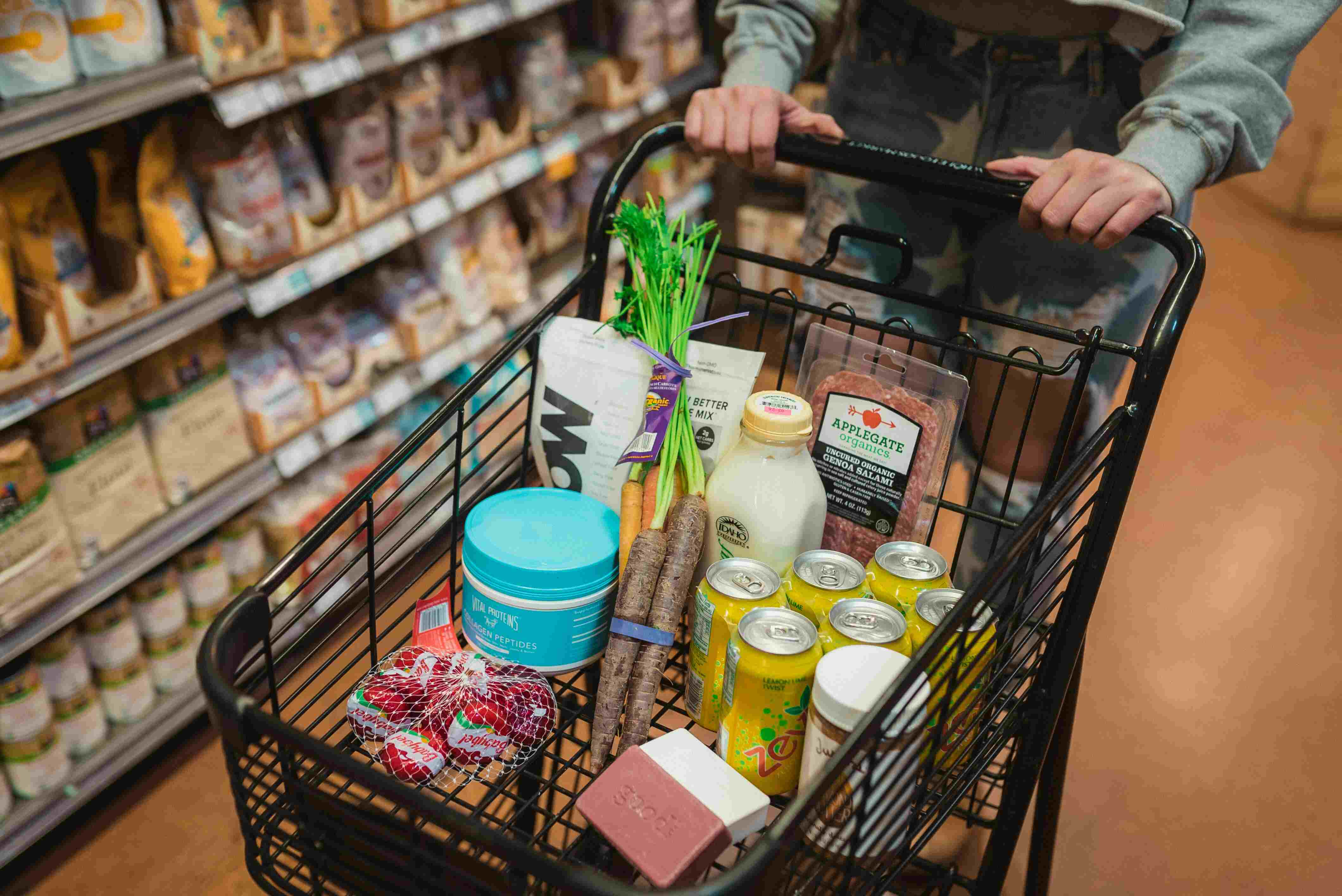
Two years ago, I was that guy wandering grocery store aisles aimlessly, grabbing whatever looked good, and consistently spending $180-200 per week for just two people.
The wake-up call came when I tracked our grocery spending for a month: $743. For TWO people. That's nearly $9,000 per year just on groceries. I was hemorrhaging money without even realizing it, making every classic grocery shopping mistake in the book.
Fast forward to today: our weekly grocery bill averages $95, we eat better food, waste less, and I actually enjoy grocery shopping. That's a 47% reduction in spending without any sacrifice in quality or variety.
These 15 hacks transformed my grocery game completely. I use 8-10 of them every single shopping trip, and they've become second nature. The best part? Most of them require zero extra time—just smarter decision-making in the moment.
Foundation Shopping Strategies
The core habits that prevent overspending and impulse purchases
Shop with a List (Saves 25-35% on impulse purchases)
The most powerful yet underused strategy for controlling grocery spending.
This sounds obvious, but 73% of people don't use lists consistently. I was one of them. My 'mental list' led to forgotten essentials, duplicate purchases, and grabbing expensive convenience items.
- Prevents duplicate purchases
- Reduces impulse buying significantly
- Ensures you get everything in one trip
- Helps you stick to planned meals and budget
Never Shop Hungry (Prevents 20-30% overspending)
Hungry shopping is expensive shopping—your brain makes different decisions when you're hungry.
Hungry shopping is expensive shopping. I proved this accidentally: my average cart was $157 when I shopped before lunch versus $118 when I shopped after eating. Same list, same store, $39 difference.
Track Your Spending and Waste (Saves 10-20% through awareness)
Awareness alone dramatically reduces spending and waste.
I started photographing my receipts and tracking what I threw away. This awareness alone reduced my spending by 15% and my food waste by 60%.
Smart Price Comparison Tactics
Techniques for finding the best deals and avoiding pricing tricks
Compare Unit Prices, Not Package Prices (Saves 15-25% on staples)
The biggest scam in grocery stores is misleading package sizes.
The biggest scam in grocery stores is misleading package sizes. A $3.99 'large' box might cost more per ounce than a $2.49 'small' box. I was falling for this constantly until I started checking unit prices.
Embrace Store Brands (Saves 20-40% with 95% same quality)
Store brands offer identical quality at significantly lower prices for most items.
I was a brand snob until I did blind taste tests with my partner. Store brand pasta, canned tomatoes, frozen vegetables, and basic staples were indistinguishable from name brands at 30-50% lower prices.
Use Price Matching Policies (Saves 5-15% without extra trips)
Get the best prices without driving to multiple stores.
Many stores price match competitors' advertised prices. Instead of driving to multiple stores for deals, I bring competitor ads and get matched prices in one trip.
⏰ Strategic Shopping Timing
When and how you shop can dramatically impact both price and selection
Hit the Markdown Sections First (Saves 30-70% on reduced items)
Every store has markdown sections—you just need to know where to look and when to shop.
Every store has markdown sections—you just need to know where to look and when to shop. I've found $8 steaks for $3, organic produce at 50% off, and bakery items at 75% off regular price.
Time Your Shopping Strategically (Saves 10-20% through better selection)
When you shop affects both price and product availability.
When you shop matters. I discovered that shopping at 8 AM on Wednesdays gives me the best selection of sale items and marked-down products from the weekend.
Plan Around Weekly Flyer Deals (Saves 15-25% on planned purchases)
Plan meals around sales rather than hoping your planned items are on sale.
I spend 5 minutes every Sunday checking store flyers before meal planning. This lets me plan meals around what's on sale rather than hoping my planned items happen to be discounted.
Smart Bulk Buying & Storage
How to buy in quantity without waste and maximize food longevity
Buy in Bulk Strategically (Saves 20-40% on non-perishables)
Bulk buying can save money or waste money depending on your approach.
Bulk buying can save money or waste money depending on your approach. I learned this lesson when I bought 5 pounds of fresh strawberries because they were 'such a good deal'—then threw away 3 pounds when they spoiled.
Master the Art of Freezing (Extends food life by 300-500%)
Transform your freezer from ice cream storage to strategic food preservation.
My freezer went from holding just ice cream to being a strategic food storage system. Proper freezing lets me buy meat on sale, batch cook, and eliminate food waste.
Digital Savings & Loyalty
Technology-based strategies for maximizing rewards and cashback
Use Cashback Apps Religiously (Earns $15-25 per month)
Free money for shopping you're already doing—just scan receipts.
I ignored cashback apps for years thinking they were scams or too much work. Wrong. I now earn $20-25 per month just by scanning receipts after shopping I was already doing.
Maximize Loyalty Programs (Earns $10-20 per month in rewards)
Store loyalty programs are free money if you're already shopping there.
Store loyalty programs are free money if you're already shopping there. I earn enough points for a free grocery trip every 6-8 weeks just by scanning my card.
Smart Shopping Techniques
In-store strategies that optimize your shopping route and decisions
Shop the Perimeter First (Reduces processed food purchases by 30%)
Fresh foods around the perimeter, processed foods in center aisles.
The store perimeter has fresh foods (produce, meat, dairy), while center aisles have processed foods with higher markups. Shopping perimeter first fills my cart with essentials before I'm tempted by expensive packaged foods.
Know When to Buy Generic vs. Name Brand (Saves 20-30% on strategic choices)
Strategic brand choices based on quality differences and value.
Not all store brands are created equal. I've learned which categories are safe bets for generic and which are worth paying more for name brands.
Conclusion
After 18 months of using these 15 grocery store hacks consistently, I've saved over $4,200 compared to my old shopping habits. That's real money that went toward paying off debt, building savings, and improving other areas of our budget.
The best part? These strategies require no extreme lifestyle changes, no hours of coupon clipping, and no driving to multiple stores. They're simple habit changes that compound into significant savings over time.
Start by implementing 3-4 hacks that resonate most with you. Maybe it's making a list and checking unit prices, or hitting markdown sections and using store brands. Once those become automatic, add more strategies gradually.
Sources & References
- Personal spending tracking: 18 months of detailed grocery spending and waste tracking
- USDA Food Waste Studies: Official data on household food waste and spending patterns
- Consumer shopping behavior analysis: Studies on price comparison strategies and shopping psychology
- Cashback app performance data: Real earnings data from 18 months of consistent cashback app usage